



Login / Înregistrare
ÎN GRABĂ? FOLOSEȘTE:

sau email

Utilizator nou

Ai pierdut parola?
Produse 
Produse 
  • 
      Login
      Librării
      Login
      Coșul tău
      Total RON Finalizare comandăComandă
      x
      
      Nu aveți produse în coș.
      Finalizare comandăComandă
      • carturesti.ro
      • Time Maps
      „Time Maps”  în librăriile Cărturești
      Indisponibil în .
      Puțintică răbdare...
      Unde ne găsești
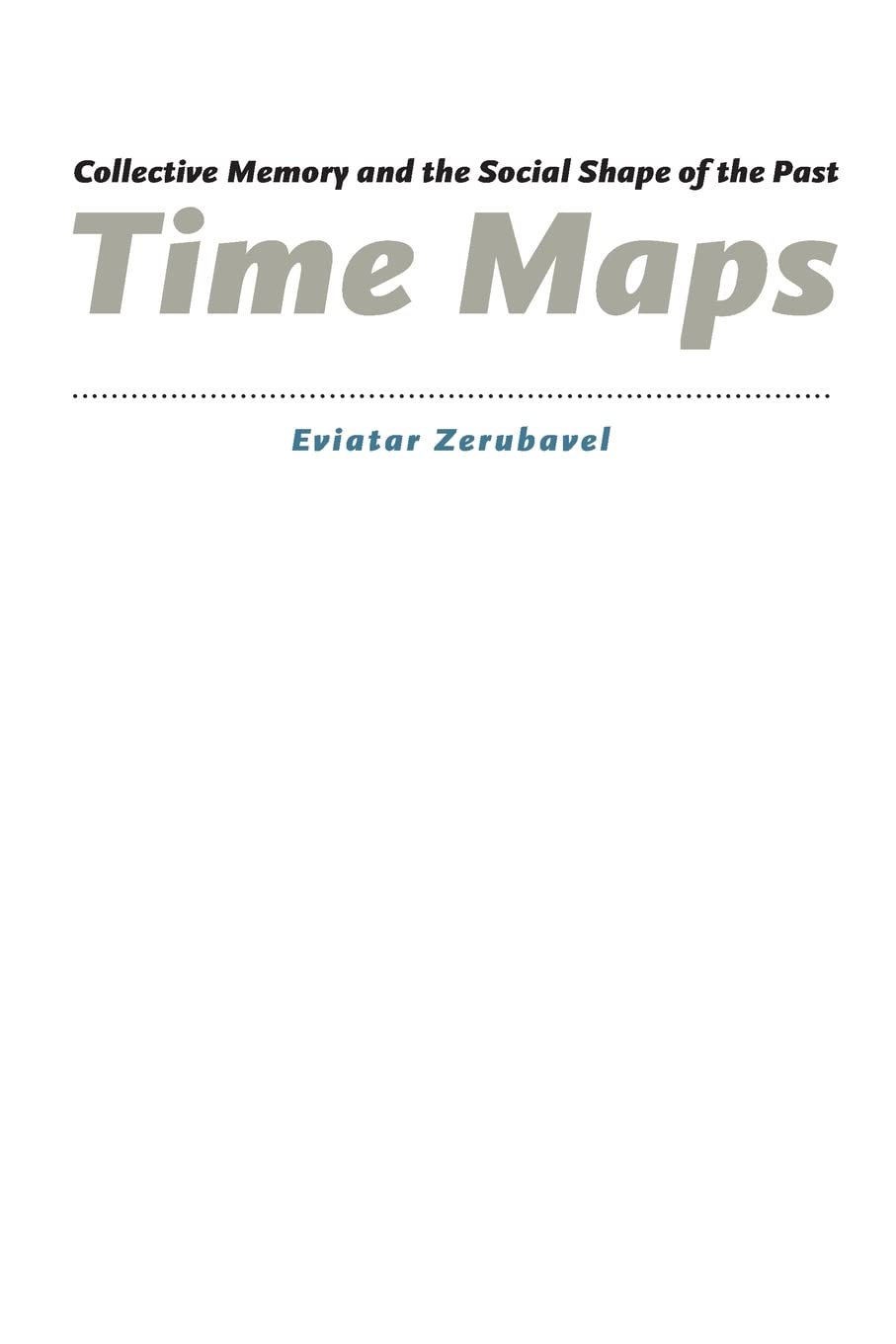
      Time Maps

      Time Maps

      Collective Memory and the Social Shape of the Past
      Eviatar Zerubavel
      0.0 / 10 ( 0 voturi)

      Categorii:
      Studii culturale
      Limba:
      Engleza
      Data publicării:
      2004
      Editura:
      University of Chicago Press
      Tip copertă:
      Paperback
      Nr Pag:
      187
      ISBN:
      9780226981536
      Dimensiuni: l: 15cm | H: 23cm | 1.3cm | 320g
      Adaugă în coș
      Adaugă în wishlist

      S-ar putea să-ți placă și:
      This is Not Just a Painting
      Bernard Lahire
      login
      Gender Theory in Troubled Times
      Kathleen Lennon, Rachel Alsop
      login
      The Clockwork Muse
      Eviatar Zerubavel
      login
      Born to Be Wired
      John Malone
      login
      Descriere

      Who were the first people to inhabit North America? Does the West Bank belong to the Arabs or the Jews? Why are racists so obsessed with origins? Is a seventh cousin still a cousin? Why do some societies name their children after dead ancestors?

      As Eviatar Zerubavel demonstrates in Time Maps, we cannot answer burning questions such as these without a deeper understanding of how we envision the past. In a pioneering attempt to map the structure of our collective memory, Zerubavel considers the cognitive patterns we use to organize the past in our minds and the mental strategies that help us string together unrelated events into coherent and meaningful narratives, as well as the social grammar of battles over conflicting interpretations of history. Drawing on fascinating examples that range from Hiroshima to the Holocaust, from Columbus to Lucy, and from ancient Egypt to the former Yugoslavia, Zerubavel shows how we construct historical origins; how we tie discontinuous events together into stories; how we link families and entire nations through genealogies; and how we separate distinct historical periods from one another through watersheds, such as the invention of fire or the fall of the Berlin Wall.

      Most people think the Roman Empire ended in 476, even though it lasted another 977 years in Byzantium. Challenging such conventional wisdom, Time Maps will be must reading for anyone interested in how the history of our world takes shape.

      Recenzii și comentarii

      Nota

      de |

      Nu există recenzii pentru acest produs.
      • Termeni & condiții
      • Politică Cookie-uri
      • ANPC
      © Carturesti 2026 | ® Conținut cu drepturi protejate
      Personalizează