

Login / Înregistrare
ÎN GRABĂ? FOLOSEȘTE:

sau email

Utilizator nou

Ai pierdut parola?
Produse 
Produse 
  • 
      Login
      Librării
      Login
      Coșul tău
      Total RON Finalizare comandăComandă
      x
      
      Nu aveți produse în coș.
      Finalizare comandăComandă
      • carturesti.ro
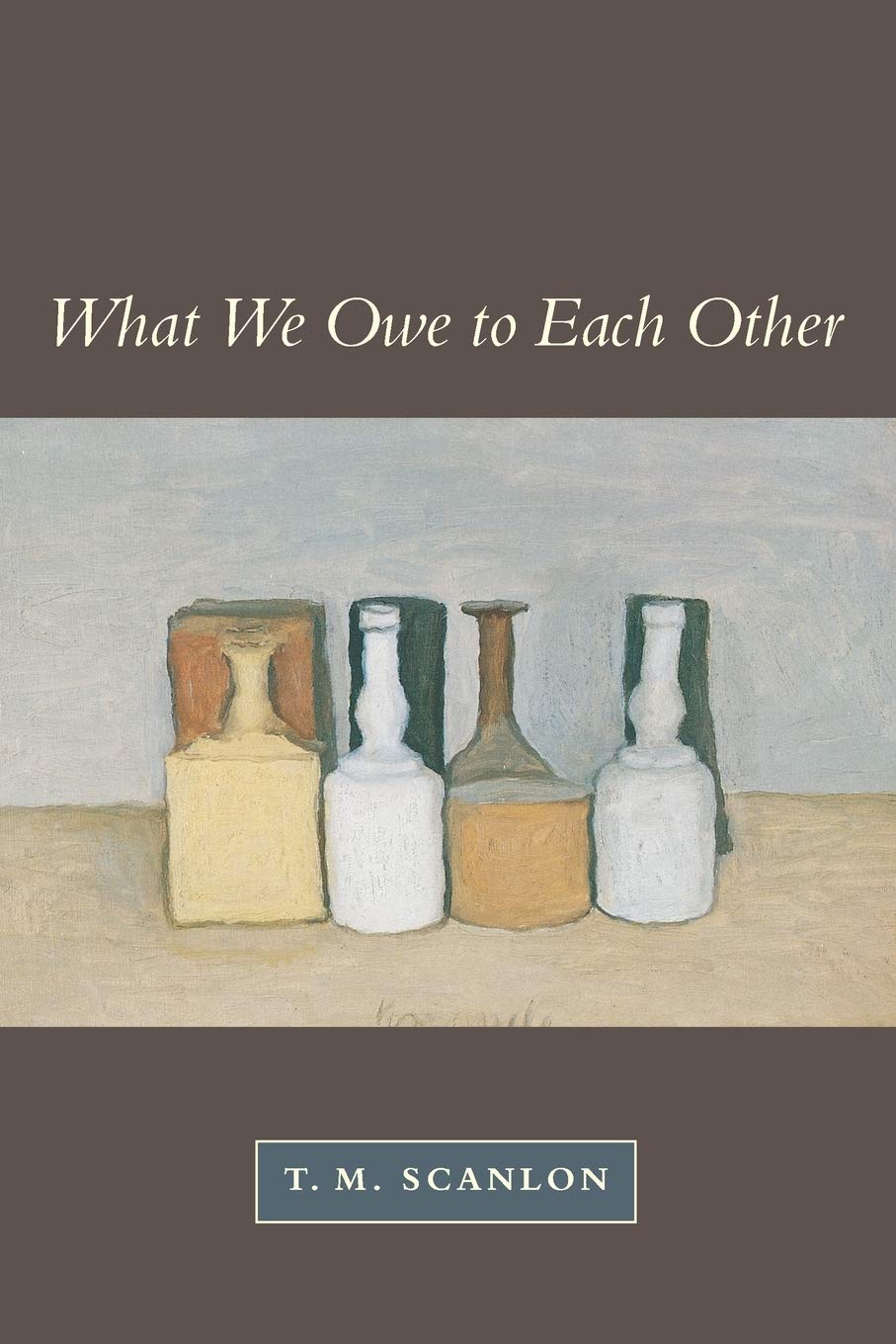
      • What We Owe to Each Other
      „What We Owe to Each Other”  în librăriile Cărturești
      Indisponibil în .
      Puțintică răbdare...
      Unde ne găsești
      What We Owe to Each Other
      What We Owe to Each Other

      What We Owe to Each Other

      T. M. Scanlon
      0.0 / 10 ( 0 voturi)

      Categorii:
      Etica si morala
      Limba:
      Engleza
      Data publicării:
      2000
      Editura:
      Harvard University Press
      Tip copertă:
      Paperback
      Nr Pag:
      432
      ISBN:
      9780674004238
      Dimensiuni: l: 15.8cm | H: 23.4cm | 2.7cm | 468g
      Adaugă în coș
      Adaugă în wishlist

      S-ar putea să-ți placă și:
      Ethics of Artificial Intelligence
      Yale University) Professor of Cognitive Science Founding Director of the Yale Center for Digital Ethics Professor of Cognitive Science Luciano (Founding Director of the Yale Center for Digital Ethics Floridi
      login
      Morality and Responsibility
      T. M. Scanlon
      login
      The Theory of Moral Sentiments
      Adam Smith
      login
      The Virtue of Civility
      Andrew Peterson
      login
      Descriere

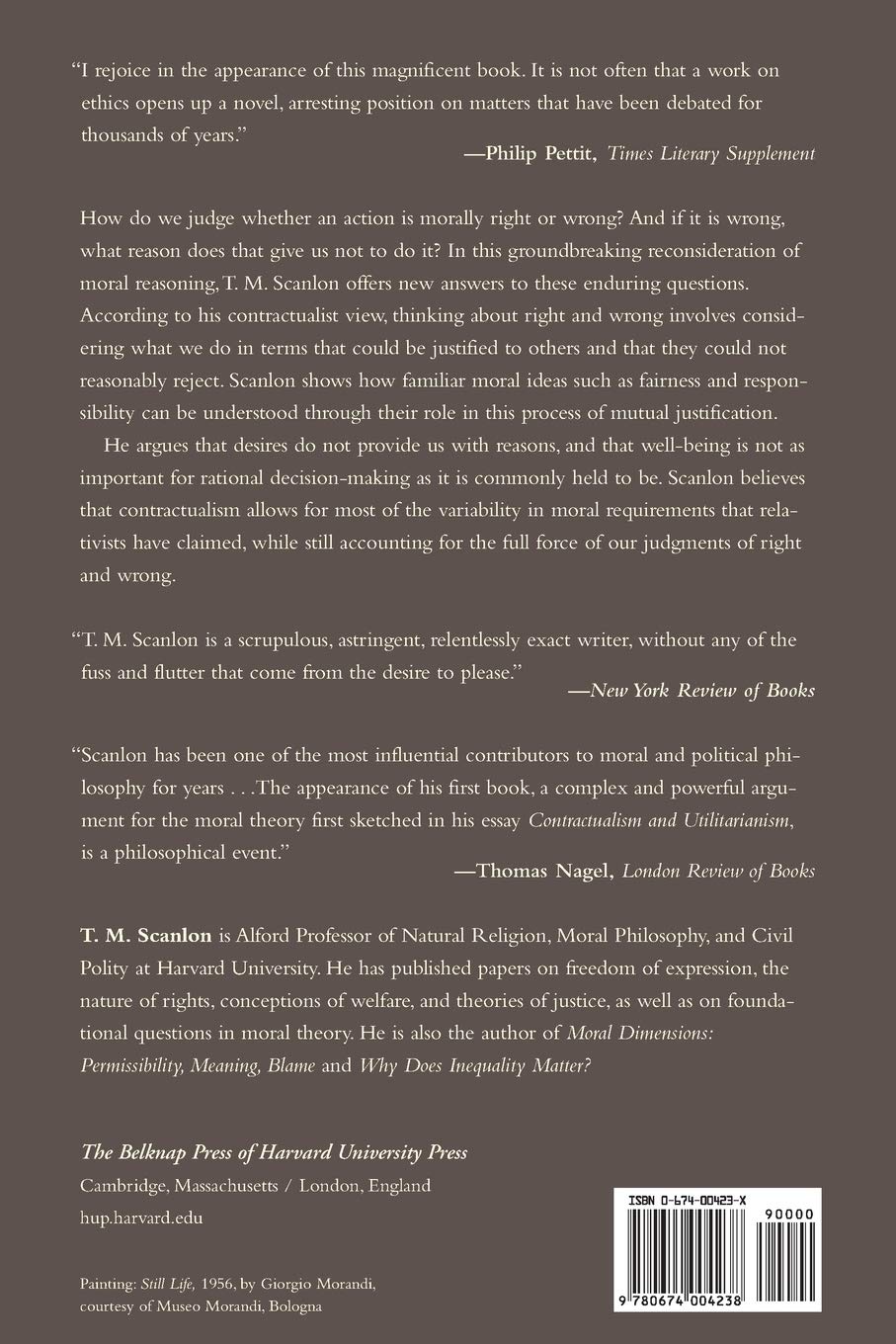
      How do we judge whether an action is morally right or wrong? If an action is wrong, what reason does that give us not to do it? Why should we give such reasons priority over our other concerns and values? In this book, T. M. Scanlon offers new answers to these questions, as they apply to the central part of morality that concerns what we owe to each other. According to his contractualist view, thinking about right and wrong is thinking about what we do in terms that could be justified to others and that they could not reasonably reject. He shows how the special authority of conclusions about right and wrong arises from the value of being related to others in this way, and he shows how familiar moral ideas such as fairness and responsibility can be understood through their role in this process of mutual justification and criticism.

      Scanlon bases his contractualism on a broader account of reasons, value, and individual well-being that challenges standard views about these crucial notions. He argues that desires do not provide us with reasons, that states of affairs are not the primary bearers of value, and that well-being is not as important for rational decision-making as it is commonly held to be. Scanlon is a pluralist about both moral and non-moral values. He argues that, taking this plurality of values into account, contractualism allows for most of the variability in moral requirements that relativists have claimed, while still accounting for the full force of our judgments of right and wrong.

      Recenzii și comentarii

      Nota

      de |

      Nu există recenzii pentru acest produs.
      • Termeni & condiții
      • Politică Cookie-uri
      • ANPC
      © Carturesti 2026 | ® Conținut cu drepturi protejate
      Personalizează